Breaking Ground: The Environmental Impact and Solutions in Modern Excavation Oct 25, 2026
Understanding the Environmental Impact of Excavation
Excavation is a foundational process in construction, essential for preparing land for projects such as roads, buildings, and utility installation. While necessary, it can have profound environmental impacts if not managed carefully. Soil erosion, sedimentation in waterways, and habitat disruption are just a few potential consequences. As topsoil is disturbed, there can be an increase in dust pollution, which affects air quality and respiratory health. Water pollution is another concern, as displaced soil particles enter water bodies, disrupting aquatic ecosystems.
Sustainable Excavating Practices
At Loshbough Excavating, we are committed to implementing eco-friendly techniques to mitigate these impacts. Erosion and sediment control measures are fundamental. By using silt fences, sediment basins, and other barriers, we can help prevent soil displacement and protect local watercourses. Moreover, our experts assess sites meticulously to identify and preserve native vegetation, which helps maintain ecosystem stability.
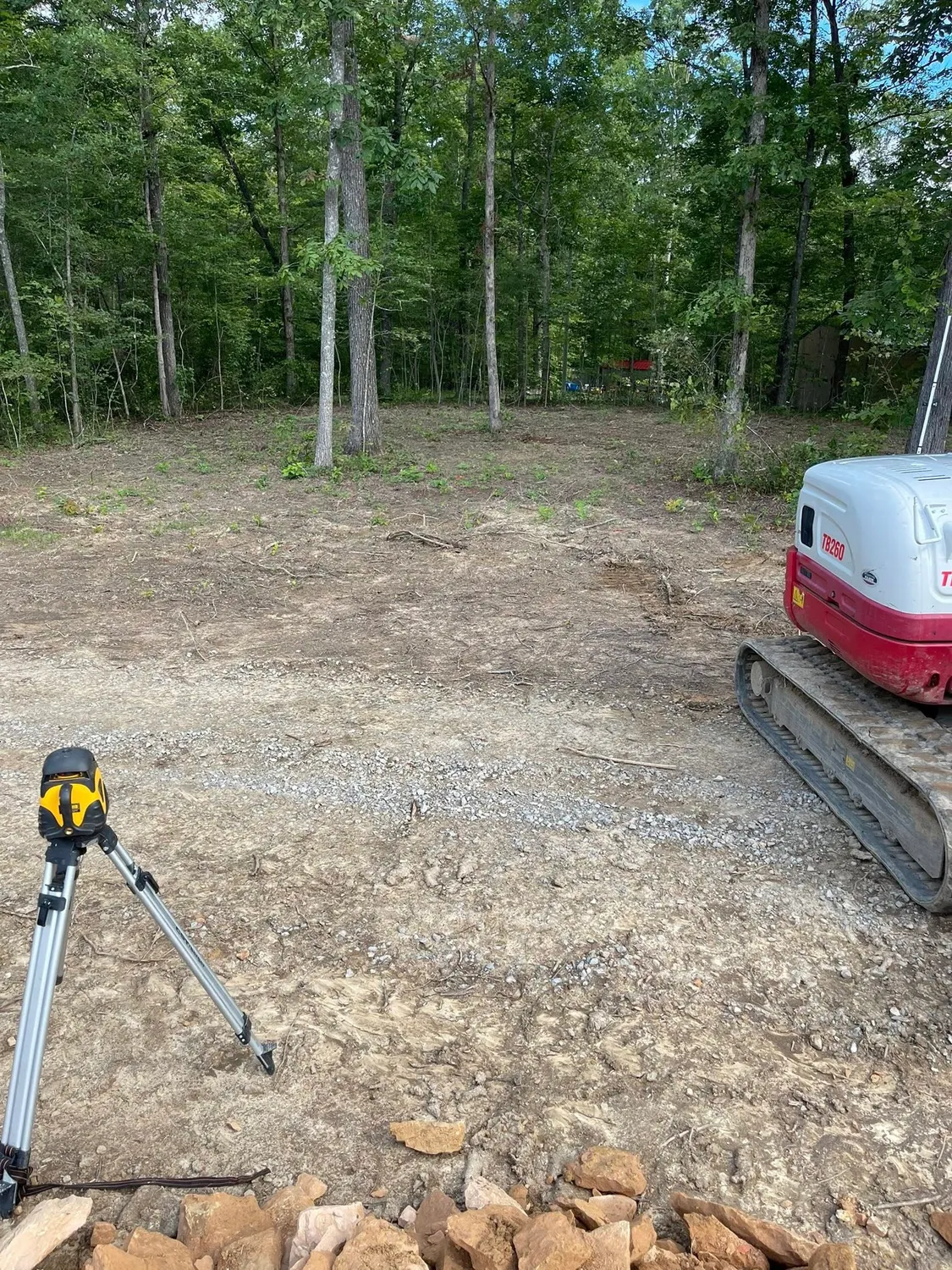
Advanced technology is also playing a crucial role in sustainable excavation. GPS-guided machinery allows for precision in excavation projects, reducing unnecessary land disturbance. By optimizing equipment efficiency, we minimize fuel consumption, thus lowering greenhouse gas emissions. Moreover, employing biodegradable lubricants and oils helps prevent soil contamination during our operations.
Environmental Regulations and Compliance
Compliance with environmental regulations is another core component of responsible excavation. Laws, such as the Clean Water Act and Endangered Species Act, set standards that guide our practices. At Loshbough Excavating, we stay updated on all regulations, ensuring our projects not only meet but exceed environmental standards. By actively collaborating with environmental engineers and consultants, we can effectively navigate complex regulations, promoting sustainable construction from planning through to project completion.
Promoting Green Construction Techniques
In addition to compliance, Loshbough Excavating is dedicated to promoting green construction techniques. This involves recycling onsite materials like concrete and asphalt, reducing waste, and conserving raw resources. Implementing site-specific stormwater management systems prevents contaminants from entering natural waterways, safeguarding aquatic life and maintaining clean recreational waters for future generations.
The Community Impact and Responsibility
Beyond the ecological benefits, sustainable excavation practices communicate a company’s commitment to ethical and responsible development. For communities, this means improved air and water quality, protection of local wildlife, and the preservation of green spaces. For businesses, it ensures compliance, enhances brand reputation, and fosters trust with community stakeholders.
Looking ahead, Loshbough Excavating remains steadfast in adopting innovative solutions to ensure that progress never comes at the expense of the environment. As we continue to break ground, we are dedicated to building not just for today but paving the way for a more sustainable future.
In conclusion, combining technological advancement with environmental stewardship is key to reducing the ecological footprint of excavation projects. At Loshbough Excavating, every step we take is a commitment to integrating sustainability into the very foundation of modern infrastructure, ensuring a legacy of responsible progress for generations to come.